How Fast Can You Deploy After a Disaster?
Speed is the whole point of emergency porta potty rental work. West Jordan Porta Pros keeps standard units staged for same-day drop, and most disaster calls get a truck moving within hours, not days. Distance shapes the schedule some. A crew coming off a job in South Jordan, 5.9 miles south, or Taylorsville, 7.1 miles northeast, can often reroute faster than one starting cold. If your event is large enough to need a restroom trailer rental instead of standalone units, plan on that 24 to 48 hour window, since trailers need a level pad and a clear approach.
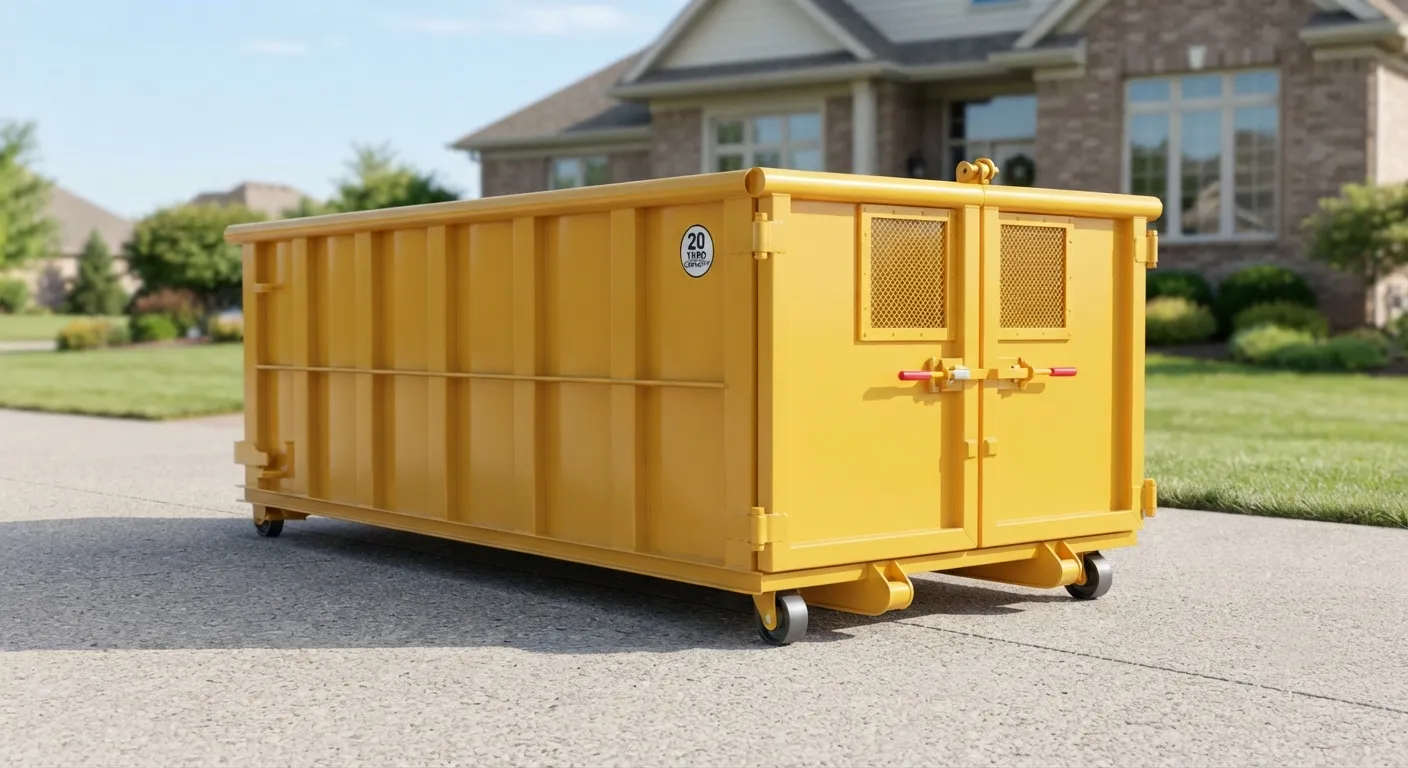
A roll-off delivery needs about 60 feet of straight clearance behind the truck, and that matters just as much in a disaster zone as on a normal jobsite, maybe more, since debris and downed lines narrow what used to be an open driveway. If your site has damaged pavement or standing water, tell dispatch before the truck rolls, not after. For agencies coordinating shelter or staging sites, our construction site services page covers the same delivery logistics that apply to relief operations. Fencing and lighting often get added the same visit. A temporary fence rental keeps displaced residents and volunteers out of hazard zones, and a light tower rental covers overnight staging when power is down. Check porta potty in winter guidance too if the event involves freezing temperatures, since tank servicing and freeze protection change fast in cold weather.
How Many Units Does a Relief Site Actually Need?
Sizing follows the same rule OSHA uses for any worksite: OSHA 1926.51(c) calls for 1 toilet for 20 workers or fewer, scaling up to 1 seat and 1 urinal per 40 from there. A shelter or staging area in West Jordan should count everyone present, not just staff, since displaced residents and volunteers all need access. Our how many porta potties do i need guide walks through the math for mixed populations. ANSI/PSAI Z4.3 sets the baseline service interval at once a week for up to 10 users over a 40 hour week, but a disaster response usually needs daily or twice-daily service because usage spikes hard in the first few days.
Every relief site with public access needs at least one accessible unit. ADA Standards section 213.2 requires that where portable toilets are clustered, at least 5 percent be accessible, and never fewer than one. See ada accessible porta potty for specs, including the 60 inch turning circle required under ADA Standards section 304.3.1 and the 32 inch clear door opening under section 404.2.3. If the site also needs washing stations, note that OSHA 1926.51(f)(1) applies specifically where crews are applying paints, coatings, herbicides or insecticides during cleanup, not as a general handwashing rule. For general sanitation, a handwashing station rental paired with soap and towels satisfies 29 CFR 1910.141(d)(2), which specifically excludes hand sanitizer as a substitute.
What Does Emergency Sanitation Cost During a Disaster?
Pricing follows the same bands as any rental, just compressed into a shorter window. A weekend rate applies if the response wraps in two or three days; weekly and monthly rates make more sense for anything longer.
| Unit | Day | Week | Month |
|---|---|---|---|
| Standard unit | $100-$350 | $130-$500 | $125-$325 |
| ADA unit | $200-$400 | - | - |
| Restroom trailer | $175-$2,500 | - | - |
A standard unit on a weekend basis typically runs $125 to $400, which covers most short relief windows without committing to a full week. Delivery fees run separately, generally $100 to $150 for a single-day drop, and a service fee of $100 to $300 a day may apply if the response needs multiple pump-outs. See porta potty rental cost and porta potty rental per day for full breakdowns, or monthly porta potty rental if the recovery stretches past four weeks. If holding tanks are needed for a command post or medical trailer, holding tank rental covers that separately from restroom units. For sites already running a septic system that failed or backed up during the event, emergency septic service and septic pumping service handle the tank side, while septic tank warning signs helps identify whether a system needs pumping or repair.
Frequently asked questions
What if we don't know how long the response will last?
Start with a daily or weekend rate and switch to weekly once the timeline firms up. West Jordan Porta Pros does not lock you into a long contract during an active response. Call request a quote and we will adjust the order as conditions change, no penalty for shortening or extending.
Can you deliver to a site with damaged roads or debris?
Usually, yes, but call first. A roll-off or trailer needs roughly 60 feet of clear approach behind the truck, so if debris blocks that path, tell dispatch before the scheduled drop. We can often find an alternate placement on the same property.
Do you coordinate with emergency management agencies?
Yes. West Jordan Porta Pros has worked directly with site coordinators on multi-unit deployments, and we can invoice an agency or municipality directly. Contact us early so unit counts match expected population, per how many porta potties do i need.
Are accessible units available for relief sites?
Yes, ADA units are part of every standard delivery fleet. ADA Standards section 213.2 requires at least one accessible unit per cluster, and West Jordan Porta Pros stocks them for exactly this reason. See ada restroom requirements for full specs.
What happens if we need units removed on short notice?
Just call contact once the site closes down. We schedule pickup fast since disaster deployments often end abruptly, and we prorate the final invoice based on actual days used rather than the original estimate.
Next step
Get a delivery date
Tell us the address, the dates and the headcount. We size the order and confirm the route.